

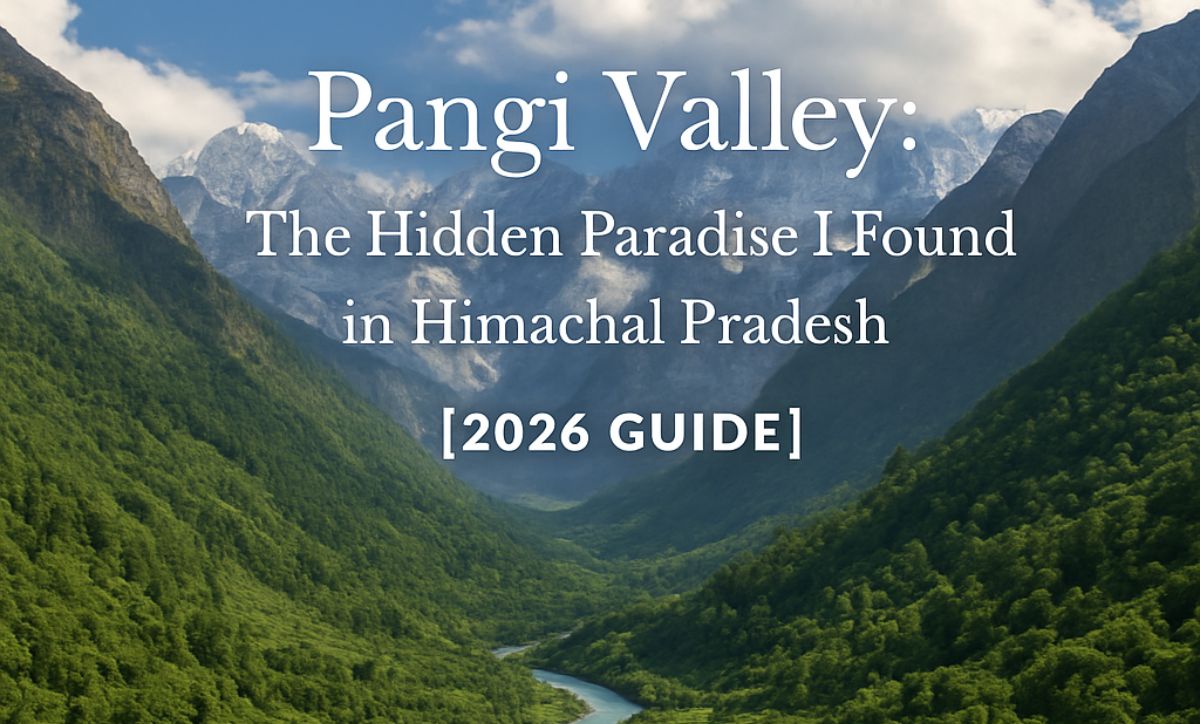
Pangi Valley ranks among the most remote places I’ve explored in Himachal Pradesh. This hidden gem sits between two stunning mountain ranges the Zanskar to the north and Pir Panjal to the south. My time there showed me a pristine paradise that spans 1,601 km² with just 18,868 residents. This makes it one of India’s last untouched wilderness areas.
The magic of Pangi Valley lies in its unique structure. It’s not a single valley but rather a network of smaller sub-valleys. The mighty Chandrabhaga (Chenab) river flows through them all, bringing life to the region. The landscape takes your breath away as it rises from 2,000 meters at Sansari Nallah to towering peaks above 6,000 meters. Each turn reveals new views and diverse ecosystems.
Adventure seekers who want to see Himachal Pradesh’s hidden side will love this place. The path to Pangi through Sach Pass stands at 14,500 ft and welcomes visitors only from June to September. Serious trekkers and riders see this challenging route as their badge of honor.
This piece will tell you everything about visiting this remarkable region in 2026. You’ll learn the best routes, perfect timing, and amazing experiences that await in this peaceful tribal area where fewer than 18,000 people live.
Where is Pangi Valley and Why It’s Still a Hidden Gem
Pangi Valley sits in the northernmost corner of Himachal Pradesh’s Chamba district. This remote valley stands as one of India’s most isolated regions. Massive walls of the Pir Panjal and Zanskar ranges surround it, creating a natural fortress that’s kept its pristine beauty and authentic culture intact for centuries.
The valley’s hidden charm comes from several unique features. Heavy snowfall cuts off the valley from the outside world for over eight months each year. Getting there means either braving the treacherous Sach Pass or taking the longer Kishtwar route through Jammu and Kashmir. Even seasoned travelers find these routes challenging.
This isolation has turned out to be a mixed blessing. The valley hasn’t faced the commercialization that’s altered the map of other Himalayan spots. You won’t find luxury hotels, shopping complexes, or tourist crowds like in Manali or Shimla. Instead, the valley offers untouched landscapes and real connections with Pangwali people who still live their traditional way of life.
On top of that, the valley’s tribal area status helps protect its cultural identity. The local Pangwali dialect, traditional wooden houses with slate roofs, and age-old customs remain mostly untouched by modern influences.
The roads tell their own story of Pangi’s isolation. Even with recent improvements, these routes rank among India’s most dangerous. Travelers must navigate narrow mountain roads with steep drops, cross rickety bridges, and deal with frequent landslides. But for adventure lovers, these challenges make Pangi special – the whole ordeal becomes an unforgettable experience.
Pangi Valley stays hidden because it demands real effort, determination, and adventure spirit to reach it. The reward for making this journey? A genuine Himalayan experience few others get to see – pure landscapes, heartfelt hospitality, and that rare feeling of finding a place that still exists beyond our modern world.
What are best things to do Pangi Valley?
A trip to Pangi Valley rewards brave travelers with amazing activities you won’t find anywhere else in Himachal. This hidden paradise packs everything from thrilling adventures to deep cultural experiences that are hard to find in the region’s better-known spots.
Adventure
Pangi Valley’s rough terrain makes it a perfect playground for adventure lovers. Trekking tops the list of things to do here, with pristine trails that range from easy day hikes to tough multi-day trips. Some of the best treks include:
- The tough Tingloti Pass trek that links Hudan and Sural sub-valleys
- The very challenging Sersank La (5,130m) and Poat La (5,490m) trek that covers 70km of remote land
- The Dharwas-Sural trek, a moderate 30km path through thick deodar and pine forests
Mountain biking fans can test themselves on the valley’s tough routes. The 4×4 drives to Sach Pass give thrill-seekers exactly what they want. Motorcycle riders now see the Killar-Kishtwar road as a must-ride route that challenges even the most skilled bikers.
Cultural Immersion
The valley’s isolation has kept its rich culture intact. You’ll find both Hindu and Buddhist communities here, with an interesting split – Hindu families live in the lower villages while Buddhist “Bhatori” villages sit up high.
The Pangwali people still use their own dialect and keep their traditions alive. Their older women wear distinctive traditional clothes. You can join authentic festivals like the 12-day Jukaru that marks winter’s end, or Phool Yatra (Phulaich), a 4-day celebration of local gods. The local food scene is just as exciting – try “Siddu” (steamed bread filled with poppy seeds) and “Chana Madra” (chickpeas cooked in yogurt).
Photography
Pangi Valley gives photographers an untouched canvas to work with. Snow-topped peaks, green valleys, and the winding Chenab River create endless photo opportunities. The authentic village life adds a human touch that’s rare in tourist hotspots.
Nature photographers should check out the Sechu Tuan Wildlife Sanctuary. This 390-square-kilometer space lets you shoot wild Himalayan creatures like foxes, bears, musk deer, and if you’re really lucky, a snow leopard. Night photography works great here too. The dark skies show off amazing star views and clear shots of the Milky Way.
How to Reach Pangi Valley in 2026?
Getting to Pangi Valley needs good planning since it remains one of the hardest places to reach in Himachal Pradesh. Let me break down all the possible ways to get to this hidden paradise.
Route 1: Chamba to Killar via Sach Pass
The path leads through the mighty Sach Pass at 4,420 meters on the Pir Panjal Range. You’ll cover about 166 km from Chamba to Killar with stops at Tissa (63 km), Bairagarh (90 km), Satrundi (106 km), and Bagotu (130 km). The pass opens only from late June/early July until mid-October.
The roads are tough to handle. You’ll face rocky patches, water crossings, and risky landslide zones between Bairagarh and Killar. HRTC busses leave early from Chamba and charge about INR 1.8 per km. Shared taxis cost around INR 600 per person.
Route 2: Manali to Killar via Udaipur
Another option is the 6:30 AM bus from Keylong to Killar through Udaipur. This 135 km stretch takes 5-6 hours with heights ranging from 2,050m to 2,800m. The Atal Tunnel has made year-round travel possible on this route.
Road quality shifts between smooth tar and rough dirt tracks. Water crossings near Madgran need extra care. Though this route is easier to handle, you still need to stay alert.
Route 3: Kishtwar to Killar (J&K route)
The 121 km stretch from Kishtwar to Killar ranks among the world’s riskiest roads. Adventure seekers can start from Jammu via Patnitop or from Srinagar via Anantnag. Public transport is scarce here, and only skilled drivers with their vehicles usually take this route.
How to reach pangi valley from delhi?
Delhi offers several travel options. Flying to Jammu is fastest at 8h 31m. The cheapest way takes 14h 40m – train to Pathankot, bus to Dalhousie, then taxi to Pangi. Driving covers about 575 km via NH44 and NH5.
Need help planning? The Himachal Stay team can help you out.
Helicopter services during winter
Roads shut down from October to May, and helicopters become vital for Pangi’s 25,000 residents. The area has four helipads at Killar, Ajog, Sach, and Dharwas. Services have been spotty lately, but medical emergencies get priority.
Locals get subsidized rates, and seats work on first-come, first-serve basis.
What is the best time to visit pangi valley?
Your experience in Pangi Valley depends a lot on when you visit. This remote region shows its different faces through seasons. The valley follows its own seasonal rhythm that sets it apart from other Himalayan spots.
Summer (June to September): Ideal for travel
Mid-to-late June sees Sach Pass opening up. Summer temperatures stay mild – 5°C to 15°C in June and get a bit warmer at 7°C to 18°C during July-August. September might be your best bet to visit. You’ll find clear skies, clean landscapes, and pleasant temperatures between 7°C to 16°C. This brief window lets you see Pangi’s emerald forests and wildflower meadows in full glory.
Monsoon (July-August): Lush but risky
The monsoon turns Pangi into a green paradise with vegetation in full bloom. But this beauty comes with its share of risks. Roads get slippery and drivers must slow down. The last several years have seen more landslides and flash floods across Himachal. Traveling in heavy rains can put you at risk. The Chamba district and Pangi often lose connection during sudden downpours.
Winter (October to May): Snowbound isolation
Pangi Valley becomes a snow-covered wonderland from October. The mercury drops below 0°C between November and March. Early October brings moderate to heavy snowfall to higher areas like Chasak Bhatori, Moorch, and Sural Bhatori.
Both Sach Pass and the Atal Tunnel routes shut down after this, cutting Pangi off from the outside. Local villagers stock up supplies for six months before winter hits.
Pangi Valley weather 10-day forecast tips
Mountain weather changes faster than you’d expect, so check recent forecasts before your trip. You’ll find accurate updates from local experts at HimachalStay. Summer nights can get cold too – below 0°C – so pack warm clothes year-round. Be ready for big swings in day-night temperatures and sudden weather changes whatever time you visit.
What are the top places to explore in Pangi Valley?
The sort of thing I love about Pangi Valley is its pristine landscape with several extraordinary places to visit. Here are the spots you shouldn’t miss on your trip:
Killar – The main town
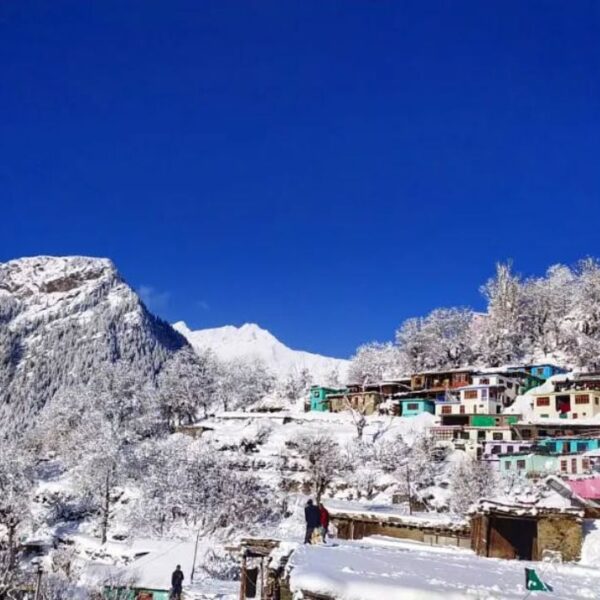
Killar, the administrative center of Pangi, sits in a narrow gage of the Chenab river. This growing hamlet has government offices and small shops that make it perfect for trekkers heading to Kishtwar, Zanskar Valley, and Manali. Det Nag Temple stands as Killar’s main attraction, and the town’s cultural dances and natural beauty draw visitors.
Sural Valley and Sural Bhatori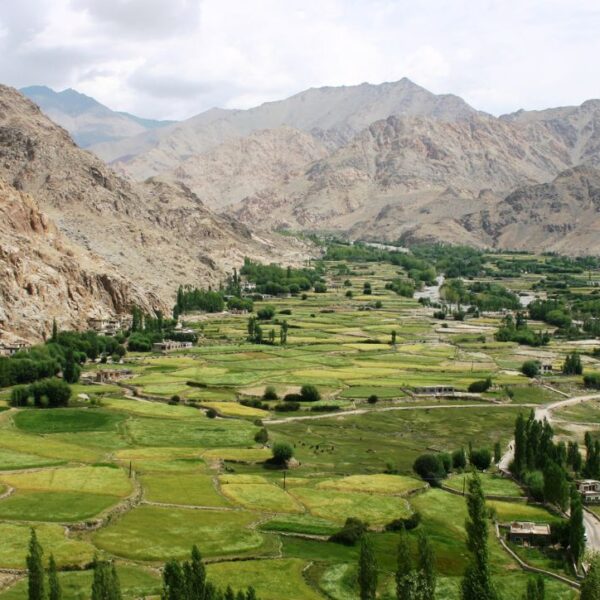
This captivating sub-valley has multiple villages including Dharwas and Sural Bhatori – where most residents are Buddhist. A monastery sits within a grove of Bhojpatra trees where locals write sacred texts on the bark. The magnificent Chabi Waterfall lies just a 20-minute hike from the village and gives breathtaking views of surrounding forests and the Chenab River.
Hudan Valley and Hudan Bhatori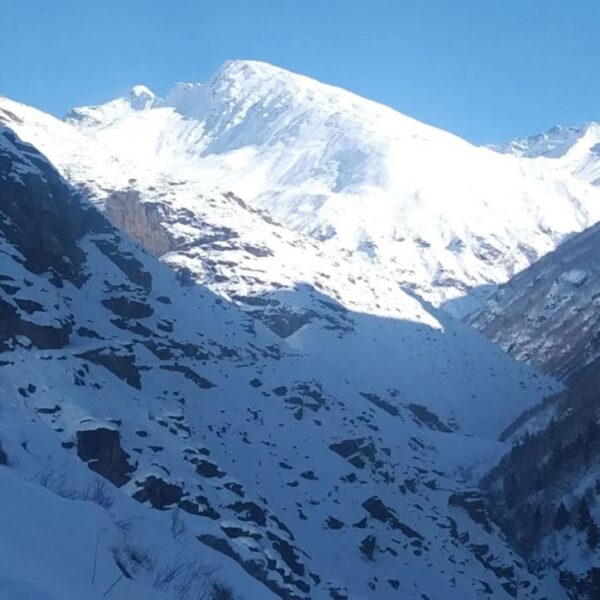
Hudan Valley sits just 15km from Killar and gives exceptional exposure to local culture and beliefs. The village’s new monastery stands at 3,200m elevation.
Notable spots include:
- Bhimtal Lake (30-minute walk from Bhatori)
- Sword Temple at Tundru with monk-quarried swords in rock
- Shinkal Dhar with mesmerizing views of Shiva Peak at 4,500m
- Daikhan fair celebrated in July
Mindhal Devi Temple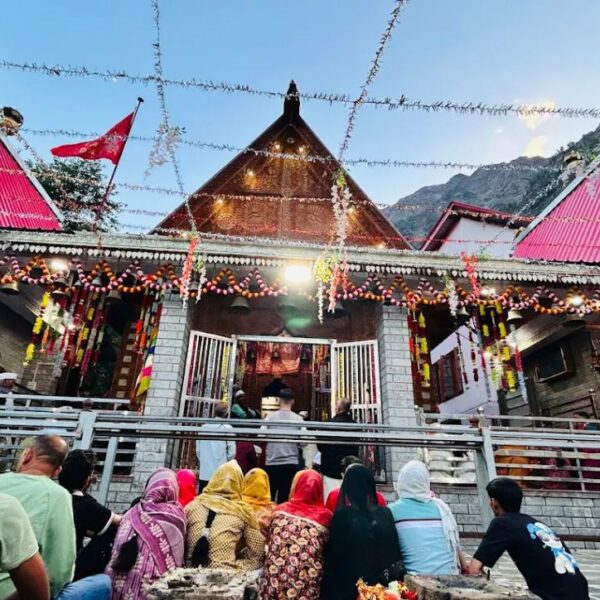
This ancient temple honors Goddess Chamunda on the Chenab River’s left bank. The square wooden and stone structure houses a black stone idol that locals believe extends deep into the earth. A fascinating story tells of a widow and her seven sons who turned to stone after doubting the goddess’s presence. Devotees from neighboring valleys gather for an important annual fair.
Saichu and Parmar Valleys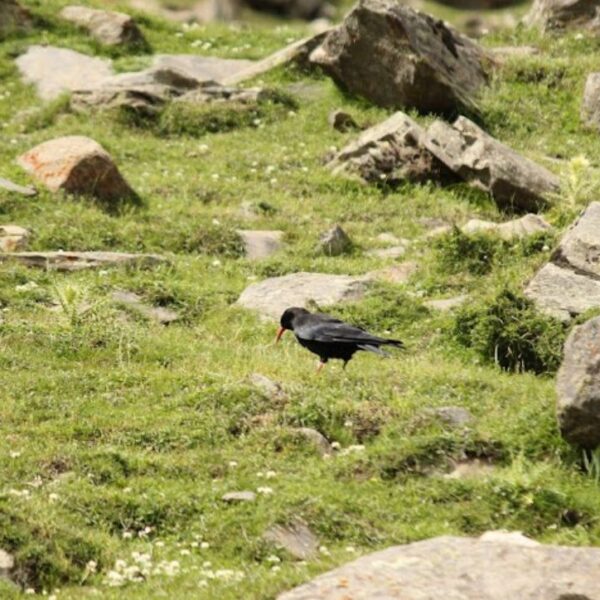
Saichu Valley, fed by Saichu Nullah, contains the magnificent 390-square-kilometer Saichu Twan Wildlife Sanctuary. Himalayan Thar, bears, musk deer and snow leopards roam here. Parmar Valley has three villages (Kumar, Parmar, Parmar Bhatori). Parmar Bhatori features a Buddhist Gompa beneath vast green pastures – a perfect camping spot!
Bharmour Himachal Pradesh
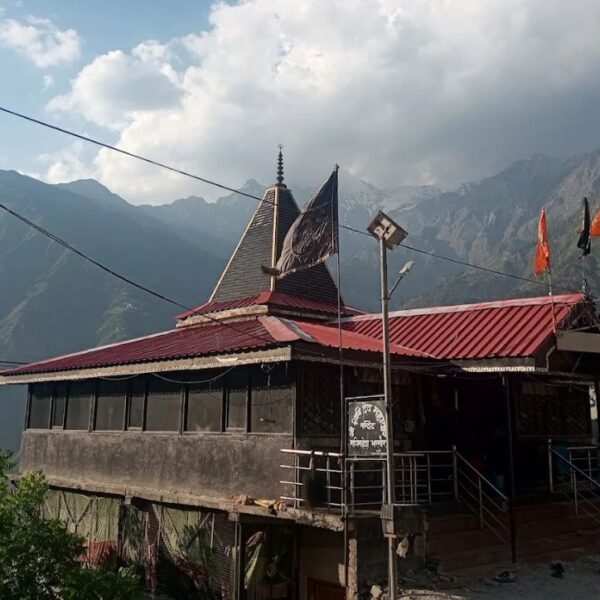
Bharmour, Chamba’s ancient capital, rests at 2,195 meters amid cedar forests and alpine meadows. The remarkable 84 Temples (Chaurasi) complex dates to the 7th century and mainly honors Lord Shiva.
Visitors can experience the unique Gaddi tribal lifestyle here, with their distinctive traditions and warm hospitality.
What are the top health and safety tips when visiting Pangi Valley?
A trip to Pangi Valley needs serious preparation. This remote paradise brings unique challenges you won’t find at typical tourist spots. The region loses connection with the rest of Himachal during monsoons and winters due to landslides, washed-away roads and heavy snowfall. You must be ready for emergencies.
Altitude awareness should be your top priority. High elevations can make unprepared visitors sick. Take time to adjust before going higher up. Drink plenty of water and take it easy on day one. Talk to your doctor about medications like Diamox to prevent altitude problems.
Vehicle readiness is a vital part of the journey. You’ll need a 4×4 vehicle to handle the dangerous terrain. Fill up your tank at Chamba or Keylong. Gas stations are hard to find in this remote area.
Pack everything you need – basic medicines, warm clothes (even in summer), food, water, and first-aid supplies. Keep cash with you since ATMs don’t exist here.
Network connectivity is poor. Let someone know your travel plans before you head out. Helicopter rescues happen in winter emergencies, mostly for medical cases.
Local customs deserve your respect. Practice eco-friendly tourism. Pangi’s ecosystem needs protection. Don’t use plastic, stay on marked paths, and buy from local shops instead of bringing supplies from outside.
What to eat in Pangi Valley?
My trip to Pangi Valley showed me something amazing about tribal Himalayan food – it’s a cuisine that evolved from years of isolation and seasonal ingredients. The food there serves two purposes: keeping people going and bringing them together to celebrate in the high mountains.
Buckwheat, barley, and millets form the backbone of traditional Pangwali cooking. These hardy grains thrive in the tough mountain climate. “Siddu” became my favorite dish – it’s steamed bread with a filling of poppy seeds or walnuts, topped with ghee and local honey. The locals also make this incredible dish called “Madra” – chickpeas simmered in yogurt gravy with fragrant spices.
Most families here own cows or goats, so dairy plays a big role in their cooking. They make this amazing butter tea (like in Tibet) that helps people stay warm through the harsh winters. During festivals, you might find mutton dishes that are slow-cooked with just a few spices to let the meat’s natural flavor come through.
The valley’s foraging tradition is still going strong. People gather wild herbs, mushrooms, and berries in season. They turn the local apples and apricots into preserves to last through winter.
The sort of thing I love about Pangi’s food culture is how it brings people together. Meals aren’t just about eating – they’re social gatherings where stories flow freely around warm fires in traditional homes. It’s the kind of experience that stays with you forever.
Conclusion
Pangi Valley is one of the last untouched paradises in the Indian Himalayas. My trip through this remote wonderland showed me how its isolation has kept its natural landscapes and cultural heritage pure, away from modern influences. This tough-to-reach spot rewards brave travelers with experiences you won’t find in the more available parts of Himachal Pradesh.
From lush valleys to towering 6,000-meter peaks, the dramatic landscapes are a photographer’s dream. The Pangwali people’s warm hospitality gives visitors a genuine cultural experience that’s rare to find anywhere else. Getting to this hidden gem needs careful planning and respect for nature, but the adventure ended up changing how travelers see the world.
The weather controls life here. Summer brings easy access to beauty while winter turns Pangi into a snowbound fortress that few outsiders see. My visits to Killar, Sural Valley, and ancient temples showed me communities that adapt to extreme conditions. They keep their rich traditions, unique food, and deep bond with their surroundings alive.
Adventure seekers should get ready with a solid plan. The Himachal Stay team can help you plan your Pangi Valley trip with updates on current conditions and local knowledge – reach out to them here.
Pangi Valley isn’t just another place to visit – it shows us that some places still exist beyond tourist crowds. The snow-capped peaks, emerald valleys, sharing butter tea in local homes, and clear starlit skies will without doubt stay in your memories long after you leave this Himalayan paradise.
FAQ
Let me help you with some common questions travelers ask about Pangi Valley. These answers will help you plan your adventure to this hidden paradise.
What is Pangi Valley famous for?
Pangi Valley stands out as one of India’s most remote tribal areas. The valley sits between the mighty Pir Panjal and Zanskar mountain ranges. This region remained cut off from the world until roads reached here in the mid-1990s. The valley’s beauty shines through its stunning sub-valleys – Sural, Hudan, Saichu, and Parmar.
Two distinct communities call this place home. The Bhots (Tibetan Buddhists) live in higher villages known as “Bhatoris” while Hindu Pangwalas settle in the lower areas.
Which river flows through Pangi Valley?
The Chandrabhaga (Chenab) river runs through Pangi Valley’s heart. It covers 85 kilometers from Karru Nallah to Sansari Nallah. This powerful river starts in the Baralacha Pass mountains. Two streams meet to form it – the Chandra from the southeast and the Bhaga from the northwest.
The river cuts a deep, narrow gorge through the valley and creates dramatic views before flowing into Jammu and Kashmir.
Where is Pangi village situated?
This question needs some clarity. Pangi Valley is a part of Himachal Pradesh’s Chamba district. However, Pangi village lies in Kinnaur district’s Kalpa Tehsil. The village sits about 6 km north of Reckong Peo (district headquarters) and 9 km from Kalpa. This difference explains why you might find conflicting information – they’re two separate places with the same name!
Which pass connects Chamba and Pangi?
Sach Pass connects Chamba and Pangi Valley at 4,425 meters in the Pir Panjal range. The pass opened in the early 2000s and changed Pangi’s residents’ lives who used dangerous footpaths before. Heavy snow keeps the pass open only from early July to mid-October. The road remains narrow and unpaved but rewards travelers with spectacular views despite challenging conditions.
