

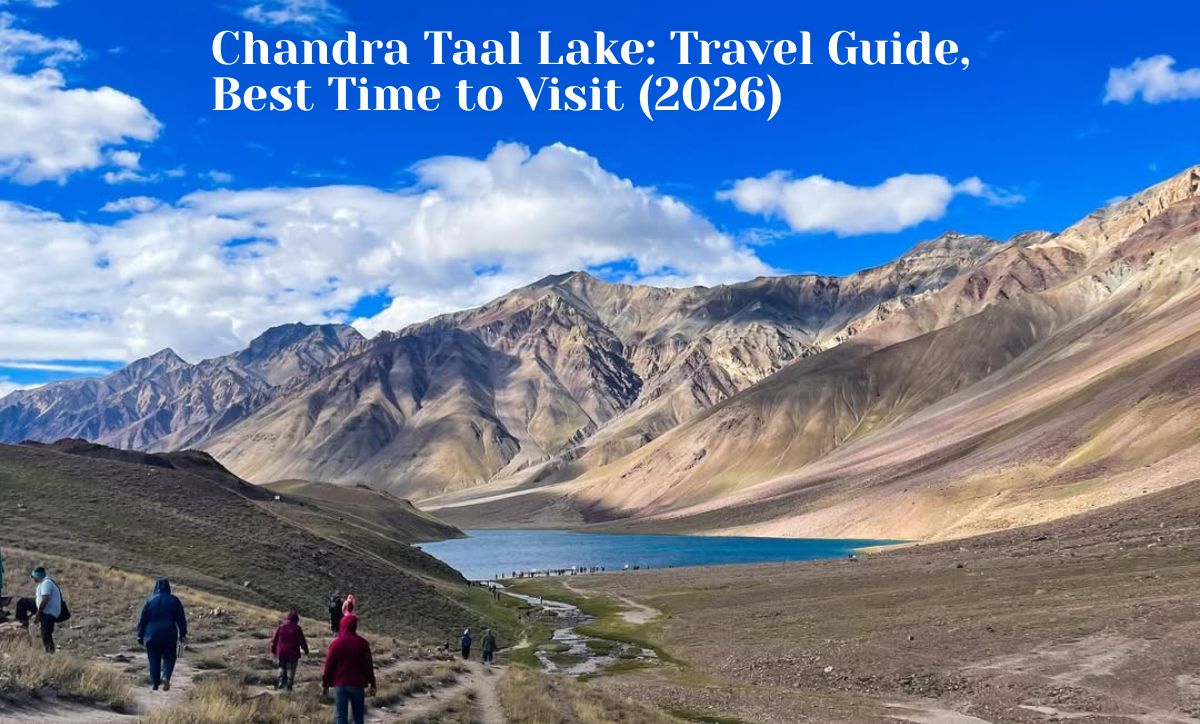
Chandra Taal sits at a stunning 4,300 meters (14,100 feet) in Himachal Pradesh’s Lahaul-Spiti district. The lake stands as one of India’s most spectacular high-altitude lakes. This crescent-shaped wonder stretches 1.76 km in length and 0.41 km in width. It has earned a remarkable 4.8/5 rating on TripAdvisor and become a must-visit destination. The lake is available for only four months each year, from mid-June to mid-September, so you need to plan your visit carefully.
The trip to Chandra Taal takes five hours each way from Kaza and seven hours from Manali, but the natural beauty makes it worth every minute. The lake’s status as one of only two high-altitude wetlands in India with Ramsar site designation adds to its appeal. Visitors can enjoy activities from stargazing to trekking. This piece will help you plan your visit to Chandratal lake.
You’ll learn the best time to visit, how to reach it from major cities, what activities to do, and safety guidelines that will make your adventure memorable and safe.
Chandra Taal Lake Overview

The majestic Chandra Taal sits at an altitude of 4,300 meters (14,100 feet) in the Himalayas. The lake’s crescent moon shape gives it its poetic name. This high-altitude wetland lies in Lahaul and Spiti district’s cold desert landscapes, close to where the Chandra River begins on the Samudra Tapu plateau.
The lake’s magic comes from its waters that change color throughout the day – deep blue at dawn transforms into turquoise or emerald green by noon. Snow-capped peaks reflect perfectly in its crystal-clear waters, making it a photographer’s paradise.
The lake is a vital protected Ramsar wetland site that serves as a haven for migratory birds during summer’s brief window. Scree-covered mountains tower on one side while a natural cirque wraps around the other, creating nature’s perfect amphitheater.
The lake’s waters hold deep cultural meaning in local hearts. Local legends tell how Lord Indra took the Pandava brother Yudhishthira to heaven in his mortal form from this spot. Lahaul and Spiti’s people regard these pristine waters as sacred, adding spiritual depth to its natural grandeur.
Raw, barren landscapes create a striking contrast with the lake’s vibrant waters. Here, visitors find profound silence and serenity away from city life’s chaos.
What is the best time to visit Chandra Taal Lake?
The right timing makes your visit to Chandra Taal an exceptional experience. The lake follows strict seasonal patterns and remains closed for more than half the year.
Weather conditions by season
Summer months from June to September bring stable weather. Daytime temperatures range from 12°C to 20°C. The nights stay chilly with temperatures between -2°C to 6°C. Temperatures drop sharply to 8°C/-1°C by October. Winter months from November to April make the area completely snowbound and unreachable with extreme lows of -20°C.
Avoiding monsoon risks
Monsoon challenges emerge from late July through August. Spiti Valley gets minimal rainfall due to its rain-shadow location, but the approach roads from Manali and Shimla become dangerous. You might face landslides, slush, and temporary road closures that can cause delays, longer travel times, or sudden route changes. Monsoon visits need flexible planning and immediate road updates.
What is the Ideal months for camping and trekking?
The best time to experience Chandra Taal is from mid-June to September. Here’s what you can expect:
- Mid-June to July: Fresh landscapes and calm weather make it perfect for first-time campers
- September: A photographer’s paradise with sharp visibility and crystal skies
September stands out as the absolute best month to visit before temperatures start dropping. The remarkably clear Himalayan night skies during this time create perfect conditions for stargazing.
How to reach Chandra Taal from major cities?
Getting to Chandra Taal needs good planning since the roads are tough but worth every mile. Here’s a practical guide to the best routes available.
Route from Manali via Batal
The popular 120-kilometer stretch usually takes 6-8 hours. Your trip follows Manali → Rohtang Pass → Chatru → Batal → Chandratal with breathtaking mountain views along the way. Roads become challenging with rough terrain after you turn off the Manali-Leh highway. Careful driving becomes essential on the final 14km stretch from Batal.
Route from Kaza via Kunzum Pass
Travelers coming from Spiti Valley will find this 50-kilometer route more convenient, with just 2-3 hours of travel time. The path runs through Kaza → Losar → Kunzum Pass → Batal → Chandratal, and you’ll benefit from altitude acclimatization. A descent toward Batal awaits after Kunzum Pass, followed by the Chandratal turn.
Public transport and private options
Direct public transport doesn’t exist. You can choose from these options:
- HRTC busses running from Manali to Kaza (₹250) – get off at Chandratal turn
- Private taxis available from Manali (₹10,000-15,000) or Kaza
- Shared taxis to Batal, with options to hitchhike/walk the remaining distance
Tips for self-driving and fuel stops
- Make sure to fill up at Manali/Tandi since no fuel stations exist between Tandi and Kaza
- Keep extra fuel cans handy
- High-clearance 4WD vehicles work best
- Weather changes faster here, so early starts are crucial
Check out himachal stay to find detailed travel packages and transportation options to Chandra Taal.
What are the top things to do at Chandra Taal?
A world of unforgettable experiences waits for you at the magnificent moon lake. Explore guided tour options and activity packages at himachal Stay to make the most of your Chandra Taal experience.
Walk around the lake trail
A moderate 5km trek takes about 1.5 hours to circle Chandratal’s perimeter. The flat, easy-to-follow trail shows you stunning views of the lake from different angles. You’ll find peaceful solitude away from the crowds. Many people call this walk around the lake a sacred practice.
Stargazing and night photography
The night sky above Chandra Taal offers a magical show with zero light pollution. The Milky Way galaxy becomes clearly visible on clear nights. This creates perfect conditions for astrophotography lovers. Stars reflecting on the lake’s surface add magic to this celestial display.
Trek to Baralacha La
The challenging 45km trek from Chandratal to Baralacha La Pass (4,890m) rewards you with remarkable mountain views. This 4-5 day trek takes you through Tokpo Yongma and Tokpo Gongma river crossings. You’ll see the magnificent Moulkila range along the way.
Visit nearby Kunzum Pass
Kunzum Pass sits 21.3km from Chandratal and serves as a gateway to Spiti Valley. The trip gives you spectacular mountain views and a chance to seek blessings at Kunzum Mata Temple.
Explore wildflower meadows
The banks around Chandratal burst into colorful carpets of alpine wildflowers during spring and early summer. These vibrant meadows create a beautiful contrast against the barren landscape.
Birdwatching and wildlife spotting
Chandratal Wildlife Sanctuary is home to remarkable Himalayan biodiversity. You might spot Himalayan ibex, blue sheep, and rare birds like Alpine Chough. With some luck, you could catch glimpses of elusive snow leopards or Tibetan wolves that live in this high-altitude ecosystem.
Trek from Chandra Taal to Baralacha La
The trek from Chandra Taal to Baralacha La stands out as one of the most rewarding Himalayan trips for adventure enthusiasts. This challenging 45km expedition cuts through untouched wilderness in Himachal’s rugged terrain. Most trekkers take 4-5 days to complete this route.
The trail starts from Chandra Taal’s shores and winds through vast meadows before climbing into the mountains. You must cross two major rivers at Tokpo Yongma and Tokpo Gongma. These crossings need careful planning, especially when snow melts at its peak.
This trek’s exceptional feature is its solitude. You’ll find few other trekkers on this path, unlike the busy commercial routes. The stunning views of the Moulkila range will keep you company throughout your trip.
Good acclimatization and preparation are crucial for this trek. The path changes from rocky moraines to grassy slopes, and you might need to scramble across loose scree. The temperature drops sharply at night, so quality camping gear is essential.
The final climb to Baralacha La (4,890m) gives you spectacular views in every direction. Prayer flags dance in the mountain breeze at the pass to celebrate your achievement. This trek truly captures the essence of a Himalayan experience – it’s challenging, remote, and spiritually enriching.
Your safety on this demanding but rewarding adventure depends on proper physical training and planning with experienced guides.
What food, clothing and equipment do you need for Chandra Taal?
Your comfort and safety at this high-altitude destination depends on proper preparation for Chandra Taal. Pack warm clothing even for summer visits because temperatures drop sharply after sunset, often falling below freezing. You’ll need thermal layers, waterproof jackets, gloves, woolen caps, and warm socks.
The food options near the lake are very few. The Batal Dhaba, run by the iconic Chacha-Chachi, serves simple vegetarian meals and hot chai. In spite of that, you should carry high-energy snacks like nuts, chocolate, and energy bars. High altitude dehydration can seriously affect your health.
You’ll need these camping essentials:
- A sturdy tent capable of withstanding strong mountain winds
- Sleeping bags rated for low temperatures (preferably 0°C or lower)
- Headlamps or torches with extra batteries
- Power banks (no electricity at campsites)
- Water bottles and purification tablets
A basic first aid kit with altitude sickness medication, painkillers, and band-aids could save your life. The intense UV exposure at high altitude makes sunscreen with high SPF and lip balm absolute necessities.
Visit himachal Stay to find recommended gear, equipment rentals, and preparation tips before your Chandra Taal adventure.
What are the essential travel tips and safety guidelines?
Your safety at Chandratal’s extreme altitude demands careful preparation. You should stay one night maximum at the lake to reduce altitude sickness risk. Your body needs time to adjust to the elevation, so spend some days in Kaza or Manali first.
Make sure to keep taking Diamox tablets (with your doctor’s approval) and stay hydrated during your visit. High altitudes make alcohol and smoking more dangerous for acclimatization, so avoid them completely. Symptoms like headaches, nausea, or dizziness could indicate Acute Mountain Sickness – descend right away if you experience them.
The area has no mobile connectivity, so let your family know your travel plans beforehand. Your essential gear should include headlamps, power banks, and fully charged phones since you won’t find electricity there.
The Seasonal Police Check Post near Chandratal provides vital safety support – stay connected with them during your visit. Weather conditions change faster at this elevation, so check forecasts often.
Rocky, narrow roads beyond Batal require extra careful driving. Your vehicle needs good tires, brakes, and suspension if you plan to drive yourself.
This fragile ecosystem needs protection – take all your waste with you and don’t litter. The lake’s sacred status means swimming or washing is strictly forbidden. For detailed travel guides, accommodation options, and safety information, visit himachalstay.
Conclusion
Chandra Taal proves the raw, untamed beauty of Himachal Pradesh’s high-altitude landscapes. This crescent-shaped wonder rewards travelers who brave the difficult trip with its ever-changing hues and pristine environment. The lake stays open for just four months each year, but adventure seekers find this ecological treasure worth exploring firsthand.
The right timing of your visit makes a big difference. September gives you the most magical conditions with crystal-clear skies and sharp visibility before winter takes over the region. You need to pack proper clothing, equipment, and supplies because facilities near the lake are minimal.
The trip itself becomes part of your adventure whether you take the route from Manali via Rohtang Pass or come from Kaza through Kunzum Pass. The lake rewards your efforts with extraordinary opportunities – from sacred circumambulation walks to unique stargazing under pollution-free skies.
Your safety should be the top priority during this high-altitude excursion. The right acclimatization, careful monitoring for altitude sickness symptoms, and respect for the fragile ecosystem will keep your Chandra Taal experience safe and eco-friendly.
You can plan your perfect Chandra Taal trip with expert help at himachal Stay to handle logistics while making the most of your time at this magnificent destination.
The “Moon Lake” gives you more than stunning views – it creates a deep connection with nature’s grandeur and Himalayan spirituality. The lake might be hard to reach, but visitors often call their experience transformative and find rare serenity in its pristine waters and surrounding peaks.
FAQ
Travelers ask many questions about Chandra Taal. Here are the answers you need:
Do you need permits to visit Chandra Taal?
You need an e-Aagman permit to visit the Atal Tunnel-Chandertal circuit. Indian travelers need an Inner Line Permit (ILP) to cross Rohtang Pass, while foreign nationals must have a Protected Area Permit (PAP). These permits help authorities track visitors since the area has limited connectivity. You can apply online at eaagman.hp.gov.in or get permits from District Magistrate offices in Shimla or Reckong Peo.
What is Chandratal famous for?
The lake sits at 14,100 feet and gets its name from its crescent moon shape. It’s a Ramsar wetland site with rich biological diversity. The lake’s mythological significance comes from tales of Lord Indra’s chariot picking up Yudhishthira, eldest of the Pandavas. The pristine blue waters create magical photo opportunities by reflecting the surrounding mountains.
Which is the best time to visit Chandratal?
You can reach the lake from mid-June to mid-September. Snow blocks all routes during other months. The weather stays pleasant with longer daylight from mid-June through July. Photographers love September for its crystal-clear visibility. You should avoid August’s monsoon season as landslides make travel dangerous.
Can we see Milky Way in Chandratal?
The night sky puts on an amazing show with zero light pollution. You can see the Milky Way clearly during summer months on cloudless nights. Photographers come here just to capture these stunning celestial views.
Is Chandratal Trek difficult?
Your chosen route determines the trek’s difficulty. The Batal route covers about 18km. The Chandratal-Baralacha La trek stretches 45km and ranges from moderate to difficult. This challenging path reaches 4,890m and takes 4-5 days through remote areas.
